Which Puzzle Matches Your Thinking Style?
brain puzzles for different thinkers, best puzzle for logical thinkers, Tango puzzle, Shikaku puzzle, spatial vs analytical thinking puzzles Discover which puzzle Tango, Shikaku, or Sudoku suits your thinking style best. Analytical, spatial, or pattern-based, find your perfect match.
Which Puzzle Matches Your Thinking Style?
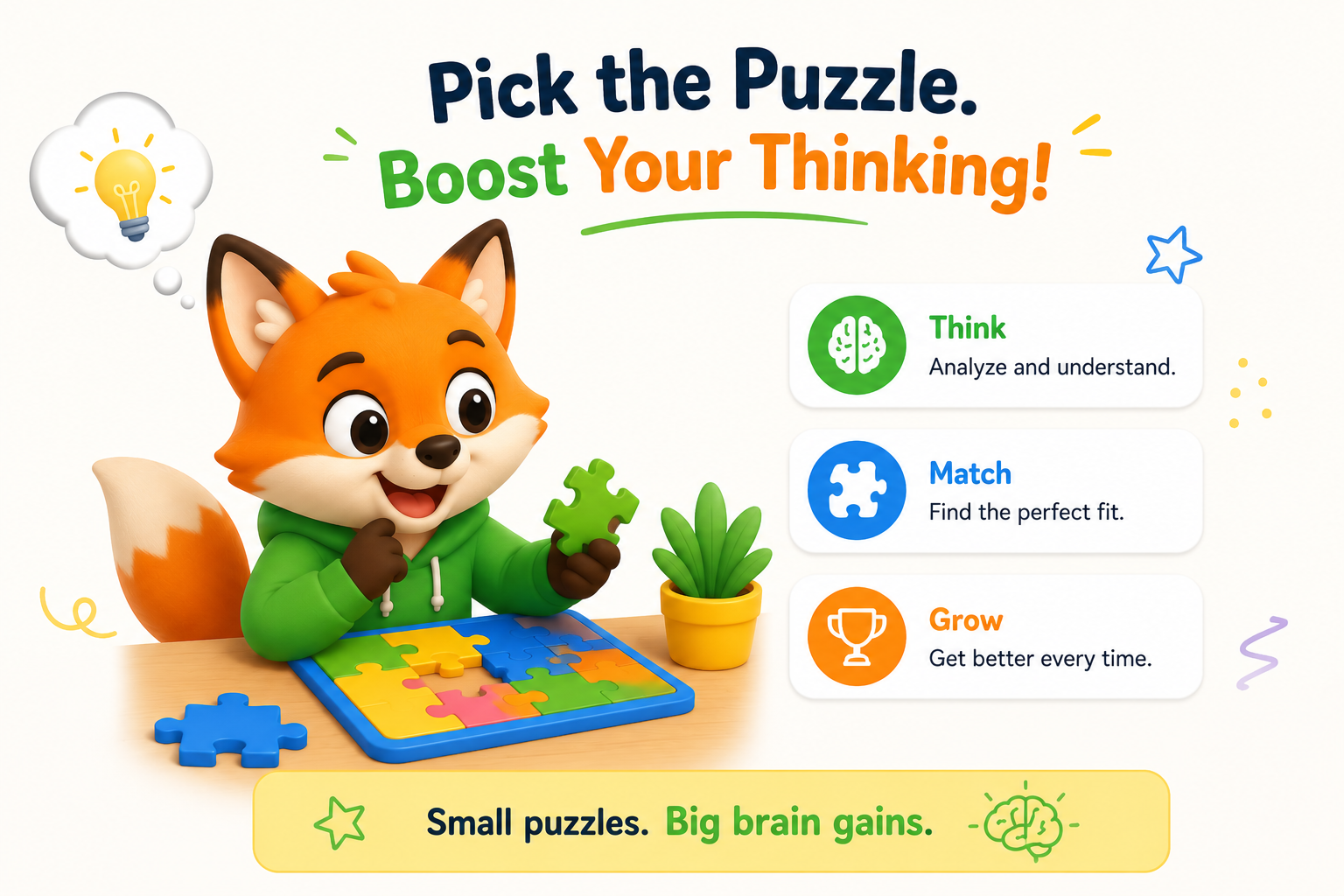
Ever notice how some puzzles feel like second nature while others leave you stuck for ages? That's not about intelligence it's about how your brain naturally likes to process information. Once you understand your thinking style, you can pick puzzles that feel less like work and more like play. Here's a quick guide to help you find yours.
Start With How You Solve Everyday Problems
Think about how you handle a messy situation do you make a list and work through it logically? Do you picture things visually in your head? Do you notice small inconsistencies before anyone else does? The way you naturally approach everyday problems is usually the same way you'll approach a puzzle grid.
If You're a Step-by-Step Thinker
People who like clear, sequential reasoning tend to enjoy puzzles built on strict logic where every move follows directly from a rule. Tango is a great match here, since each symbol placement is backed by a clear constraint. There's comfort in knowing that if you follow the logic carefully, you'll always land on the right answer.
If You Think in Pictures
Some people don't reason in words or numbers they see the whole picture first and work backward. If that sounds like you, Shikaku will likely feel very natural. Dividing a grid into rectangles is essentially a visual puzzle, and spatial thinkers often "see" the solution before they can fully explain the steps that led them there.
If You Like Spotting What's Off
There's a certain kind of thinker who scans a grid and immediately senses when something doesn't look balanced before they even consciously check the rules. This instinct works especially well with puzzles like Tango, where symbol balance and repetition patterns are core to solving it.
If You Prefer to Slow Down and Sit With a Problem
Not every puzzle needs to be solved quickly, and not every thinker wants it to be. If you enjoy taking your time, letting an answer reveal itself gradually, puzzles like Shikaku are ideal. There's no pressure to rush you can leave it, come back later, and pick up your reasoning right where you left off.
If You Like Fast, Satisfying Wins
On the other end, some thinkers enjoy quick bursts of problem-solving rather than long, drawn-out sessions. Smaller grids or shorter puzzle formats give this kind of thinker a fast sense of achievement solve, feel good, move on with your day.
Why Trying Different Puzzles Helps
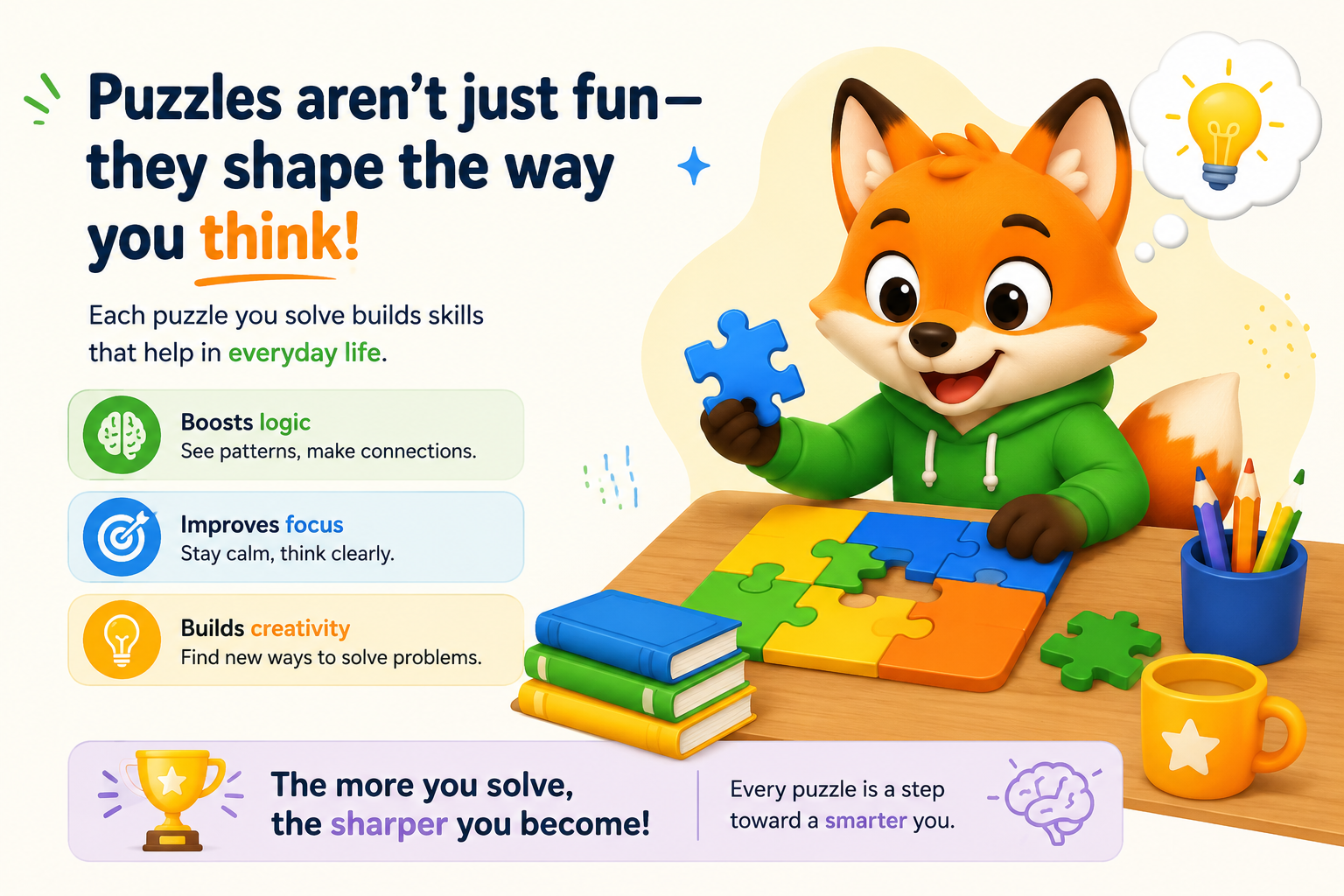
Sticking to only one type of puzzle can feel comfortable, but stepping outside it is often where the real growth happens. A spatial thinker trying a logic-heavy puzzle or a fast solver trying a slower, more patient one often ends up strengthening a completely different part of their thinking.
Final Thoughts
Your ideal puzzle isn't about difficulty it's about fit. Once you understand how your mind naturally works, choosing the right puzzle becomes less about trial and error and more about knowing yourself. And who knows the puzzle that challenges you the most might end up becoming your new favorite.